OVERVIEW
Project Description
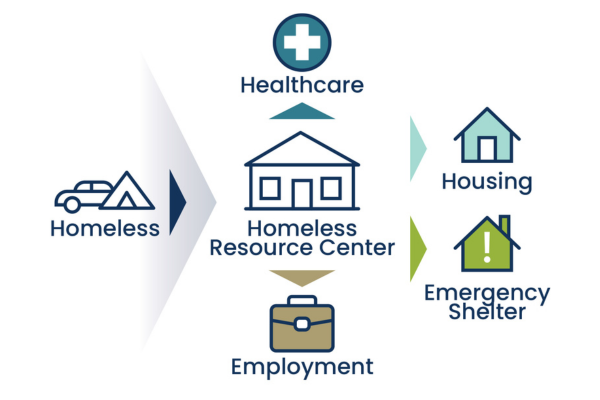
The Anchor Resource Center is a 24/7 front door to housing and stability. It’s a low-barrier hub where individuals experiencing homelessness can access basic needs and get connected to housing and support services – immediately and all in one place.
The Center will serve approximately 150 individuals daily and will serve all people – men, women, families with children and couples.
During planning for the center, community leaders recognized that the growing and complex needs surrounding homelessness required a dedicated nonprofit organization to lead and coordinate this effort. The Anchor Resource Center was chosen as the name of the new nonprofit to indicate stability and hope for those in need of housing and services, as well as giving a nod to the community’s three rivers.
The newly formed nonprofit Anchor Resource Center will lease the building from the City of Fort Wayne and provide coordinated services to connect people experiencing homelessness with housing, job training and employment, and mental and physical healthcare.
Homeless Resource Center video
The Anchor Resource Center
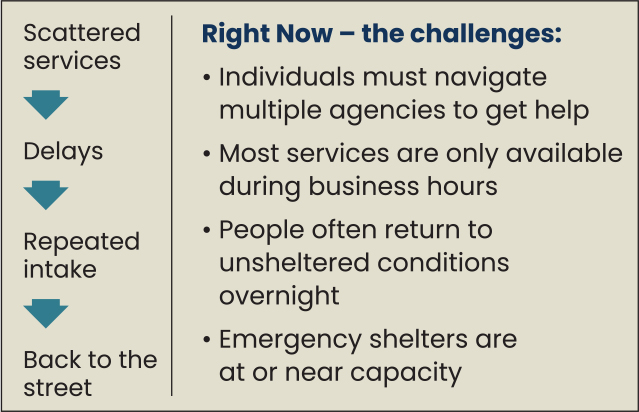
Current challenges
Estimated numbers for individuals who are homeless in Fort Wayne.
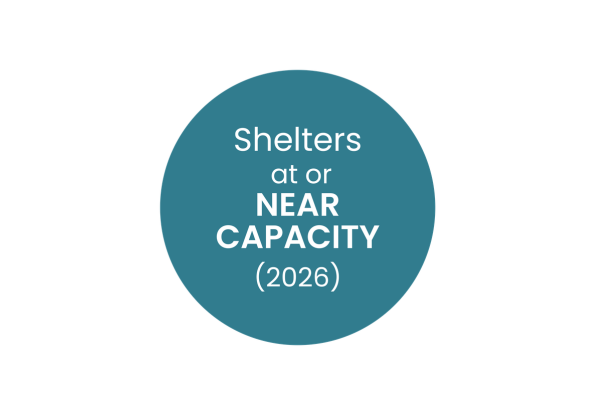
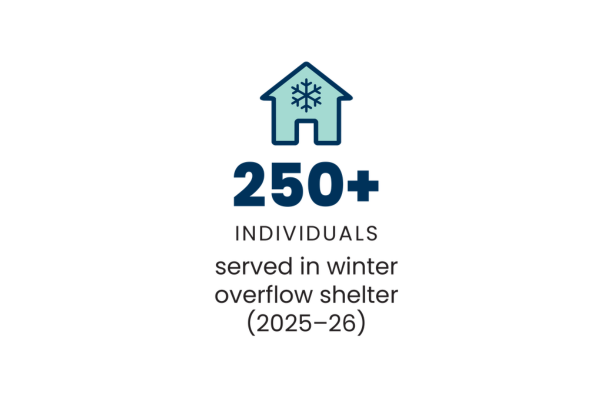
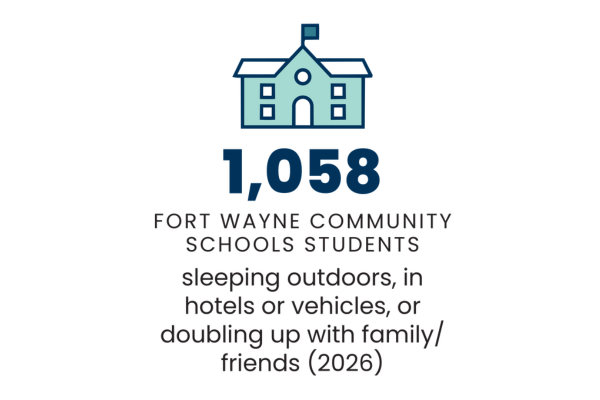
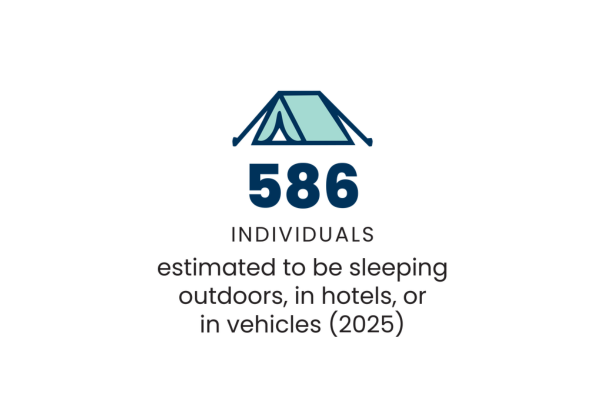
Current services are often offered at different times and days and have a variety of requirements and forms to complete. As a result, individuals in need of support must often visit several agencies before connecting to services that can assist them.
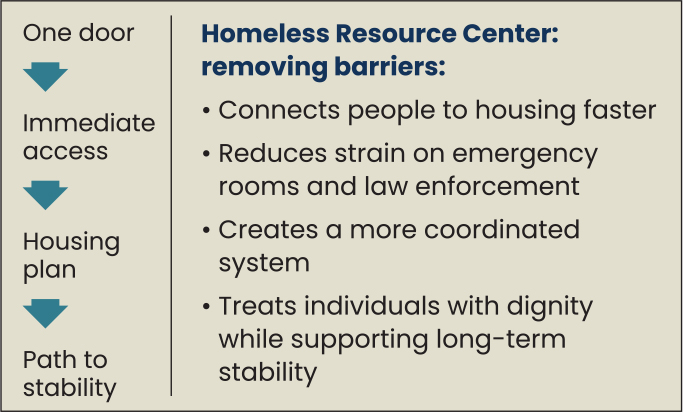
Removing Barriers
After the Center opens, services will be better coordinated so people can find paths to stability more quickly.
The Center will offer:
- 24/7 access to showers, restrooms, hygiene, and laundry
- Mail, phone, and communication access
- Lockers for personal papers and belongings
- Safe indoor space for engagement and respite
- Coordinated Entry assessments to enter the housing system
- A Safe Parking Program with designated spaces for individuals and families living in vehicles
- On-site space for partner agencies to connect participants to services
FAQ's
Frequently Asked Questions
A low-barrier center prioritizes immediate safety (for clients, staff and neighbors) over background checks, sobriety, strict curfews, identification, and other factors.
Downtown is where many individuals experiencing homelessness are already spending time, where a concentration of services is located, and where public transportation is most accessible. It is also the area where businesses, residents, and community leaders have most consistently asked for a coordinated, visible solution rather than the current fragmented approach.
This model is designed to bring coordination to where activity is already happening, rather than dispersing services in a way that makes them harder to access and less effective overall. If we were to place the center outside of downtown it would create additional barriers, making it harder for individuals to access services, harder for providers to coordinate care, and less likely to address the challenges currently being experienced in the downtown core.
We’ve also looked at examples from other communities. Other cities have shown that decentralizing services can reduce engagement and actually increase unsheltered homelessness downtown. This reinforces the importance of maintaining accessibility and coordination in a central location.
See information about Salt Lake City. Relocating Homeless Resource Centers in Salt Lake County: What Were the Mobility Impacts? [Brief]
No, individuals without shelter are already here in our community.
The center helps reduce time spent in public spaces, increase connection to services and housing, and improve coordination among service providers like shelters and health care.
Downtown Fort Wayne remains strong. Since the Rescue Mission opened in its new facility in 2020, there has been more than $754 million of public/private investment in downtown.
Also since that time, downtown Fort Wayne has seen approximately $1.1 billion in visitor spending. 90 to 95% of all downtown housing units are occupied, with newer units like Riverfront at Promenade filling almost as soon as they became available. The Anchor Resource Center helps manage existing challenges, not create new ones, by reducing visible street homelessness and improving engagement with services.
No. While the Anchor Resource Center will follow a low-barrier model, meaning people will not be turned away for having a substance use disorder or a criminal record, there will be high accountability to ensure that any possession or use of drugs, alcohol, and weapons inside the facility is immediately addressed. The goal is to improve downtown safety, not compromise it. By providing a safe indoor space, the Resource Center will reduce public loitering and the visible "street-level" activities that the community is concerned about.
The Anchor Resource Center will welcome families with children as well as single men and single women. The Board of Directors intends to adopt a policy that will not allow registered sex offenders to stay overnight at the center and will create partnerships with local law enforcement agencies, probation officers and parole officers in their enforcement of all applicable laws for the safety of staff, neighbors, clients and community.
The Center will operate with clear expectations and accountability. A formal Good Neighbor Agreement (Download a PDF of the Good Neighbor Agreement) sets standards for safety, cleanliness, and responsiveness, with defined processes to address concerns quickly. A Community Advisory Board, made up of nearby businesses, residents, and Center leadership, will meet regularly to provide oversight and ensure ongoing communication. Together, these structures will ensure the Center is a well-managed, responsible neighbor, not a passive presence.
The center does not replace services; it connects people to them more effectively.
By serving as a single entry point, it reduces duplication in intake, improves referrals and helps providers focus on their core mission.
Success comes down to three things: accountability, communication, and shared responsibility.
The Anchor Resource Center will have a clear code of conduct with consistent expectations and consequences. At the same time, the operator is accountable to the neighborhood through commitments like 24/7 staffing and security, maintaining a clean perimeter, discouraging loitering outside designated areas, and coordinating with outreach, health, and mental health partners.
There will be a dedicated hotline for residents and businesses, participation in neighborhood meetings, and a commitment to respond to concerns quickly and transparently. A Community Advisory Group, made up of staff, city representatives, neighbors, and individuals with lived experience, will meet regularly to review concerns and make adjustments.
Good Neighbor Agreements will outline mutual commitments from both the operator and the community to engage in good faith, address concerns early, and work together on solutions. It also creates opportunities for collaboration through safety efforts, clean-up initiatives, volunteerism, and employment connections.
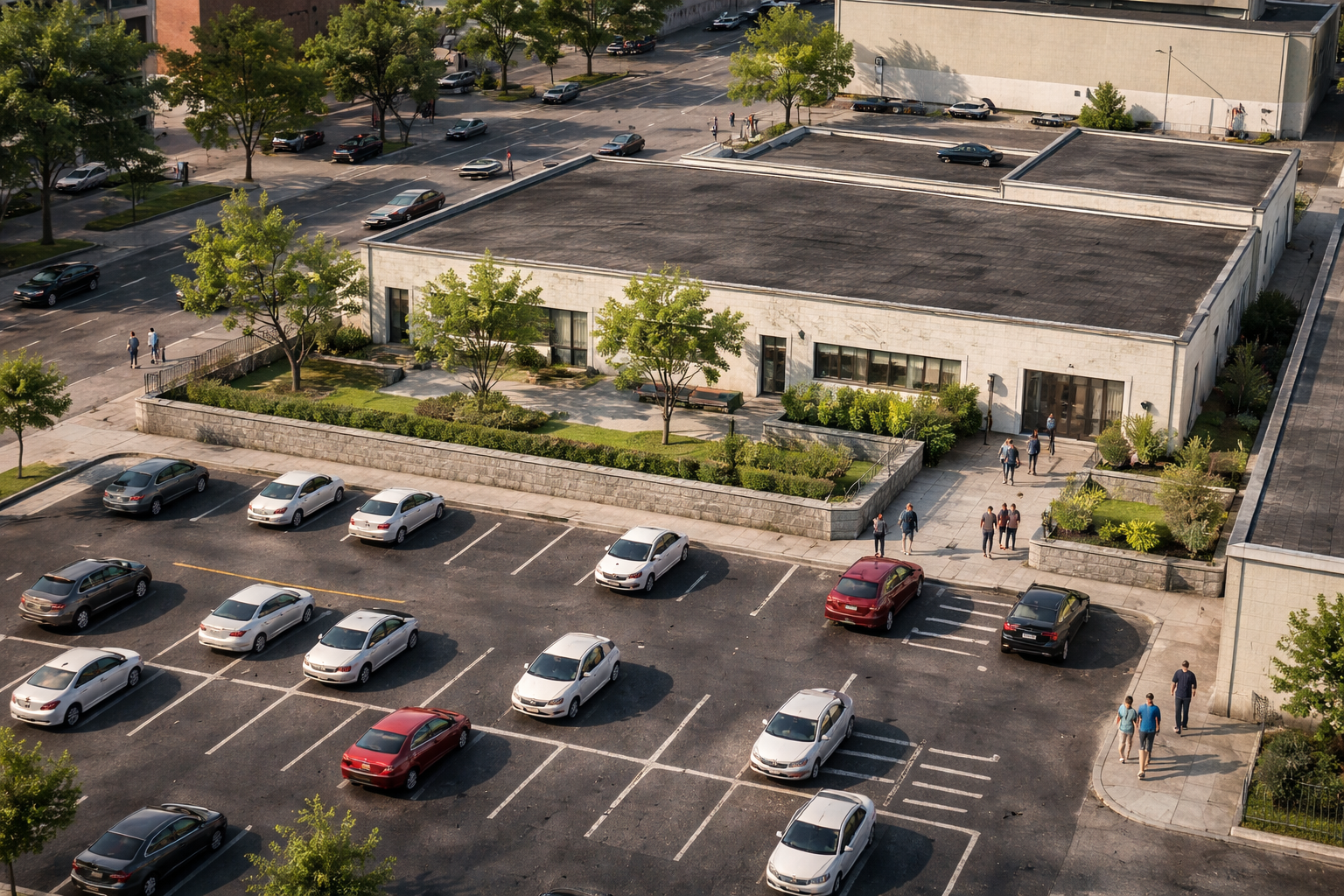
Conceptual Rendering of Anchor Resource Center

SUPPORT
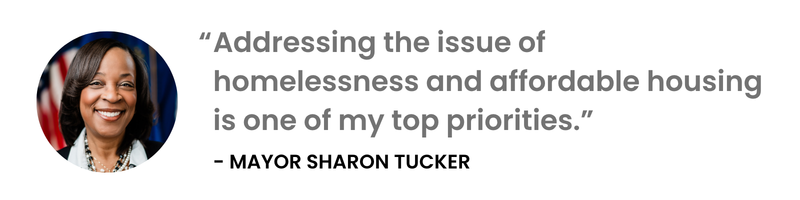
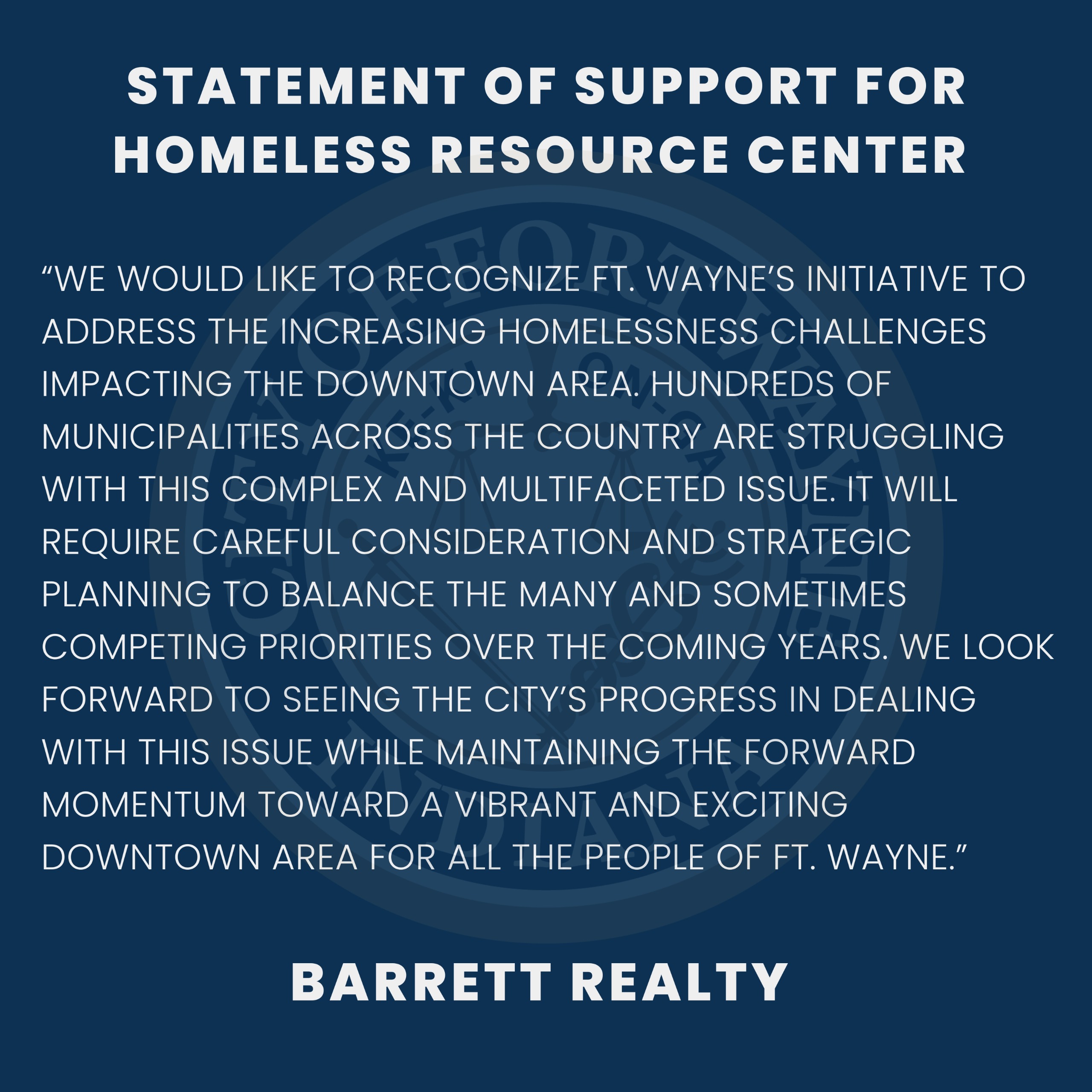
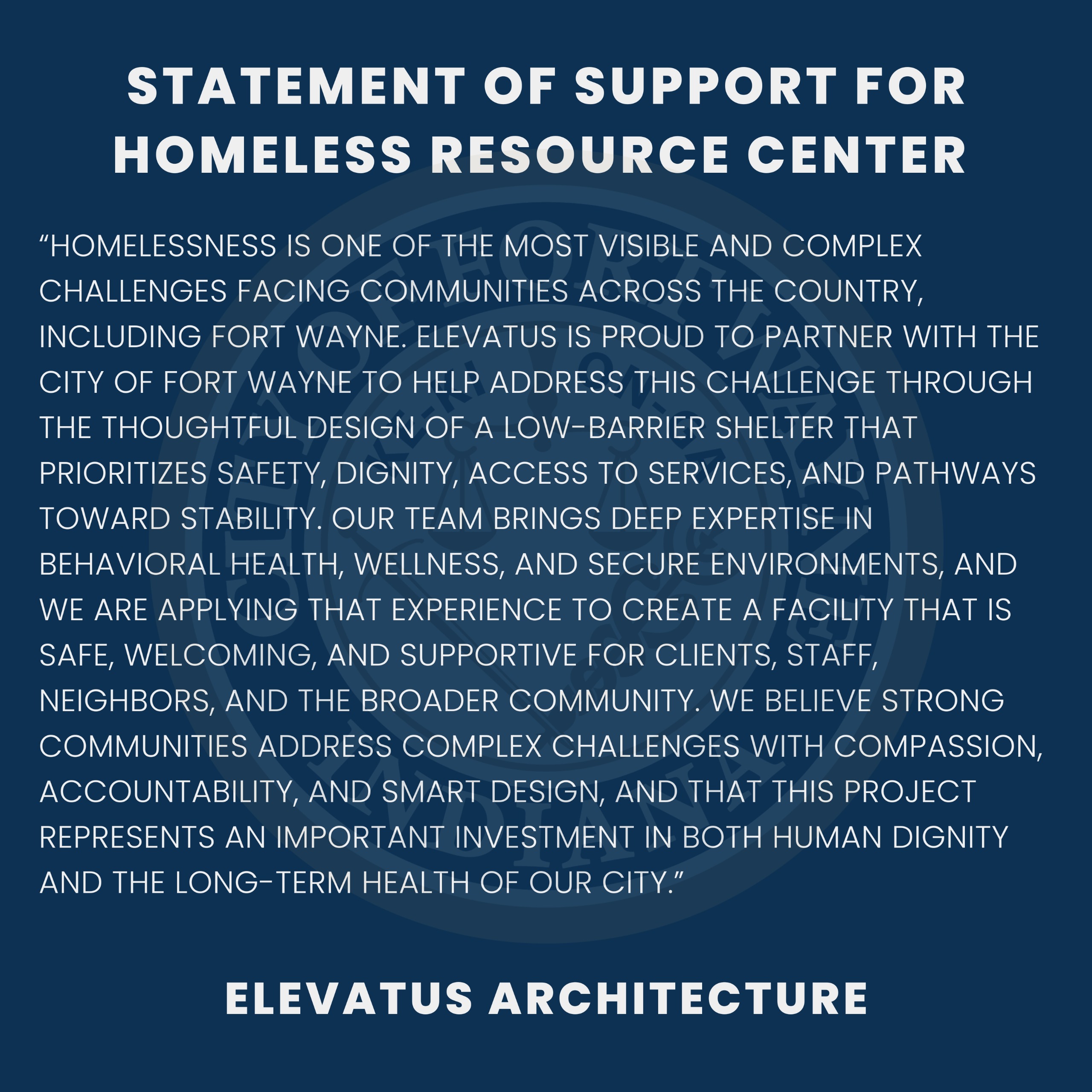
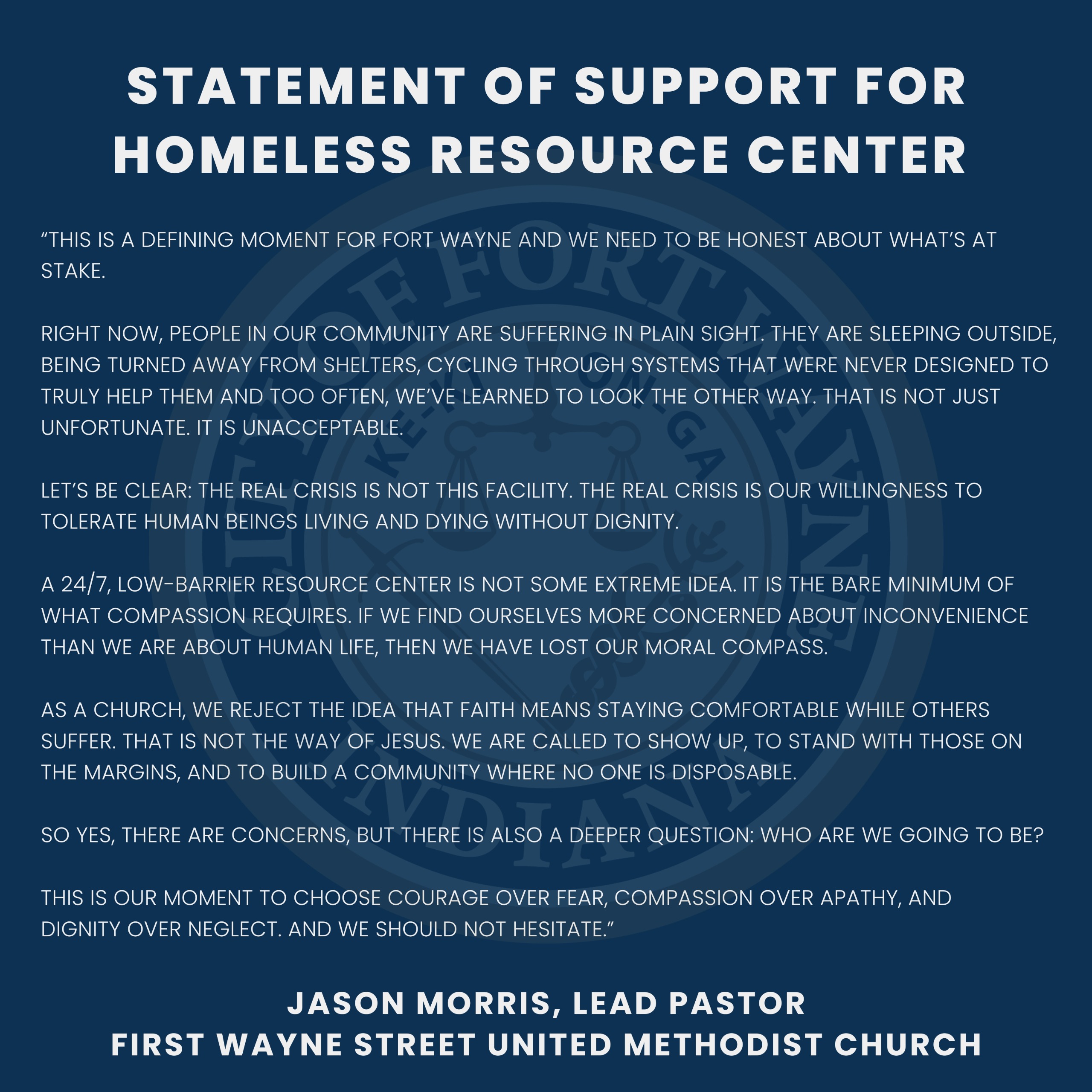
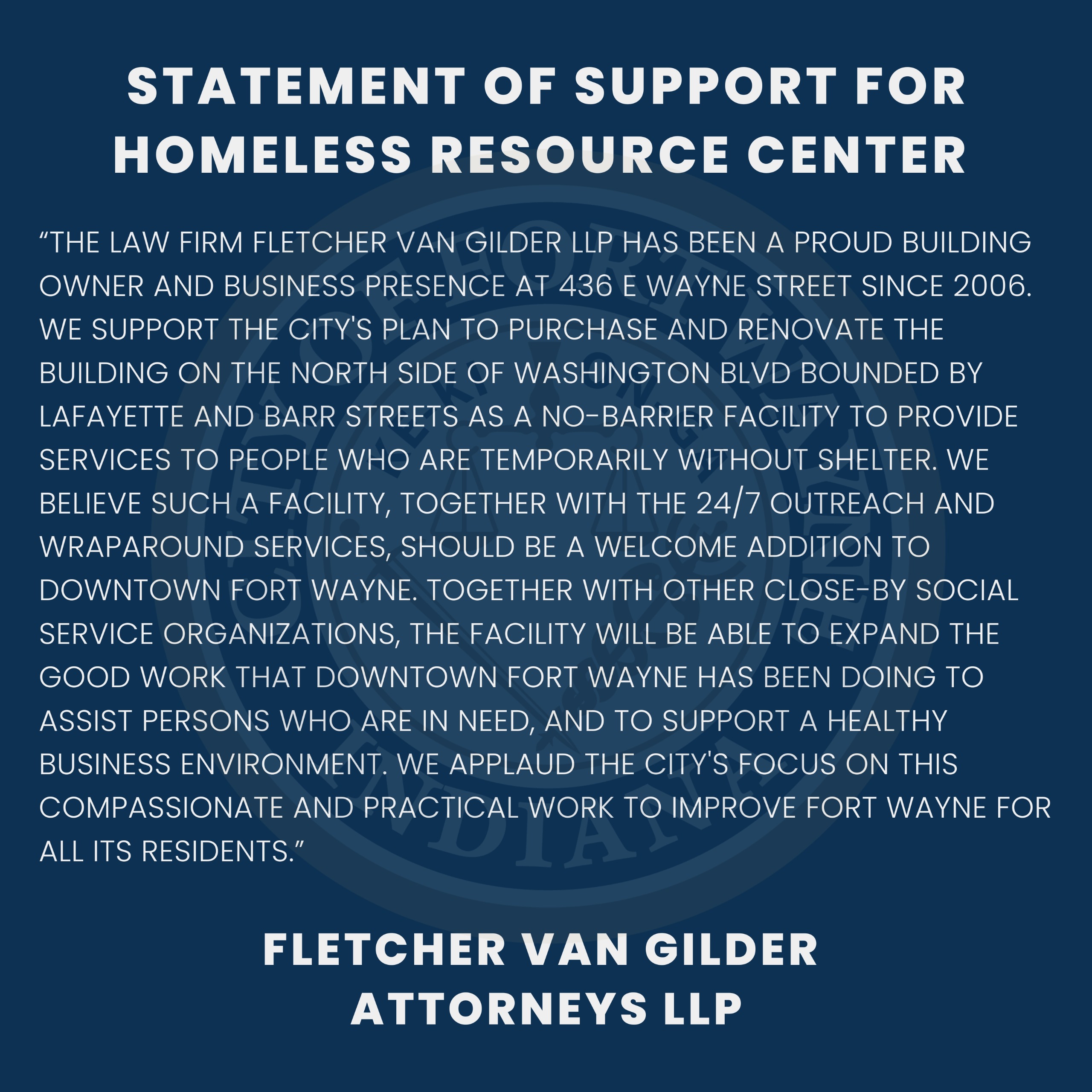
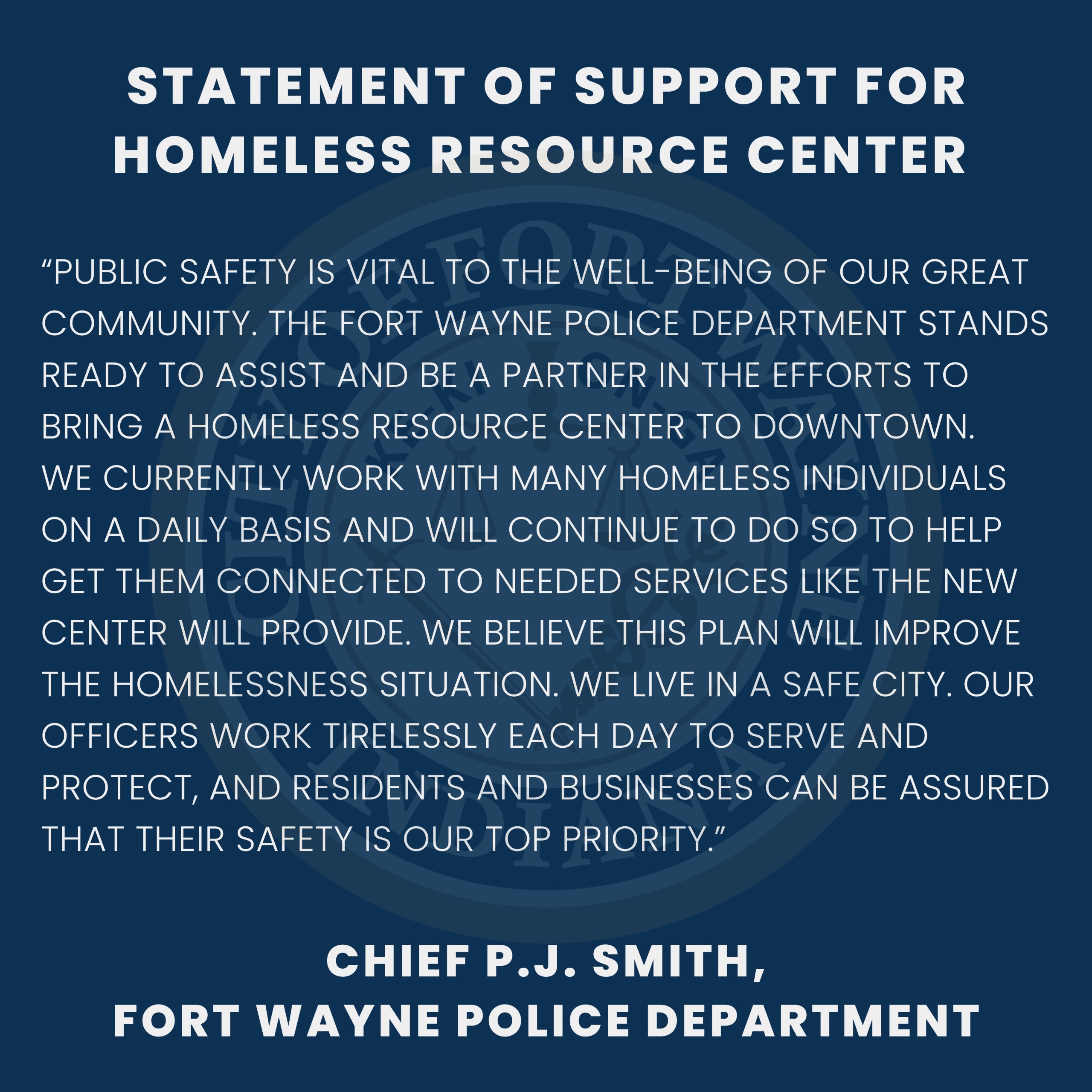
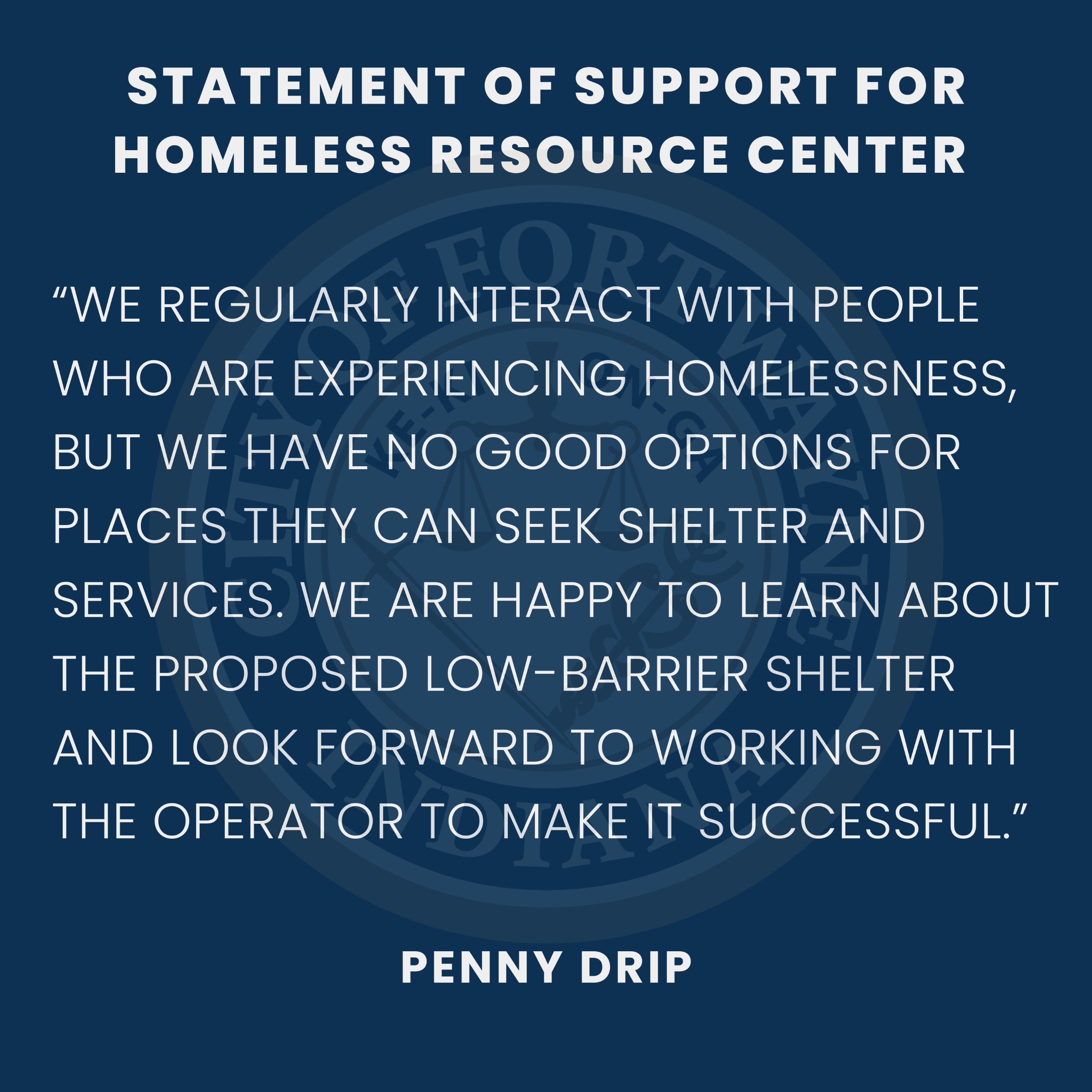
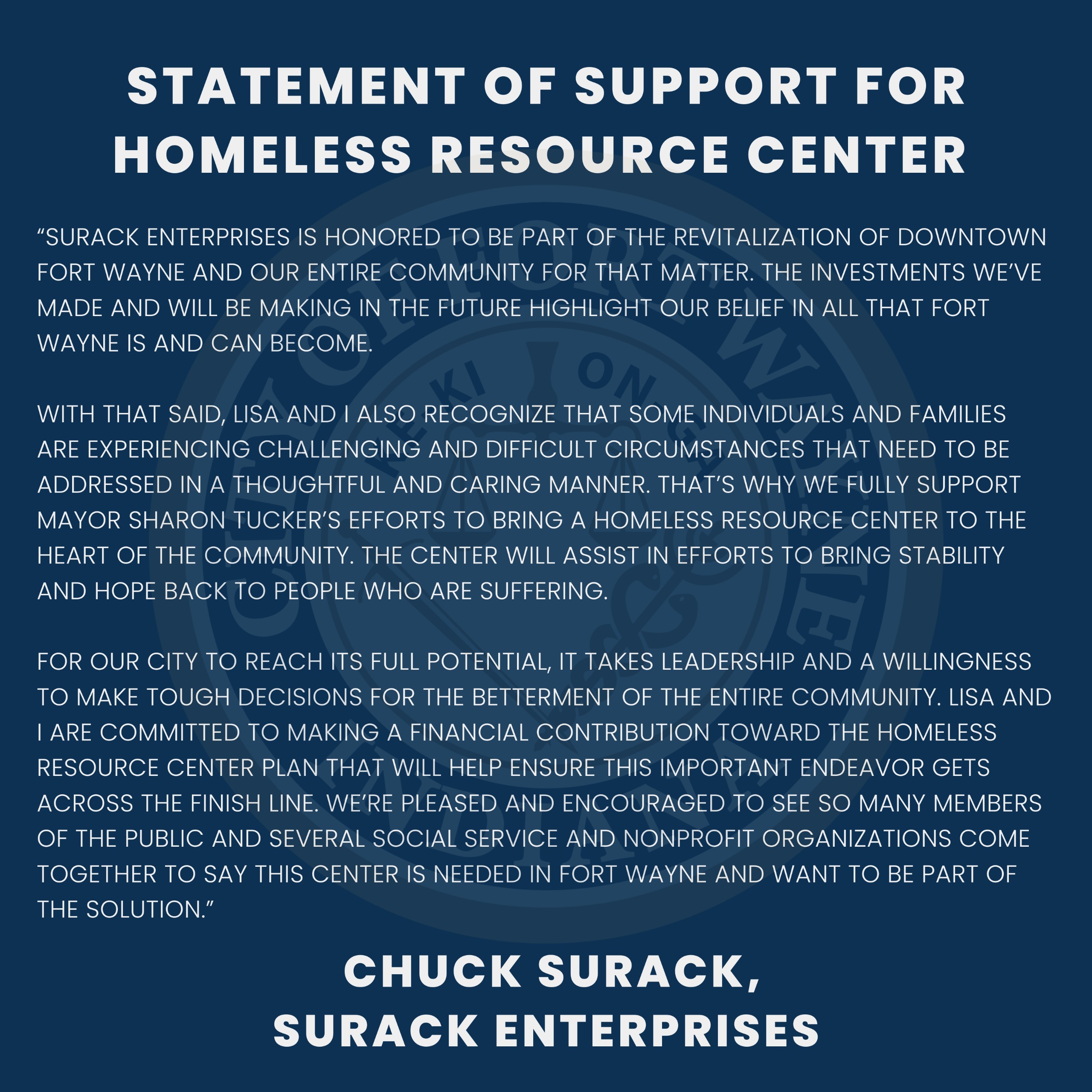
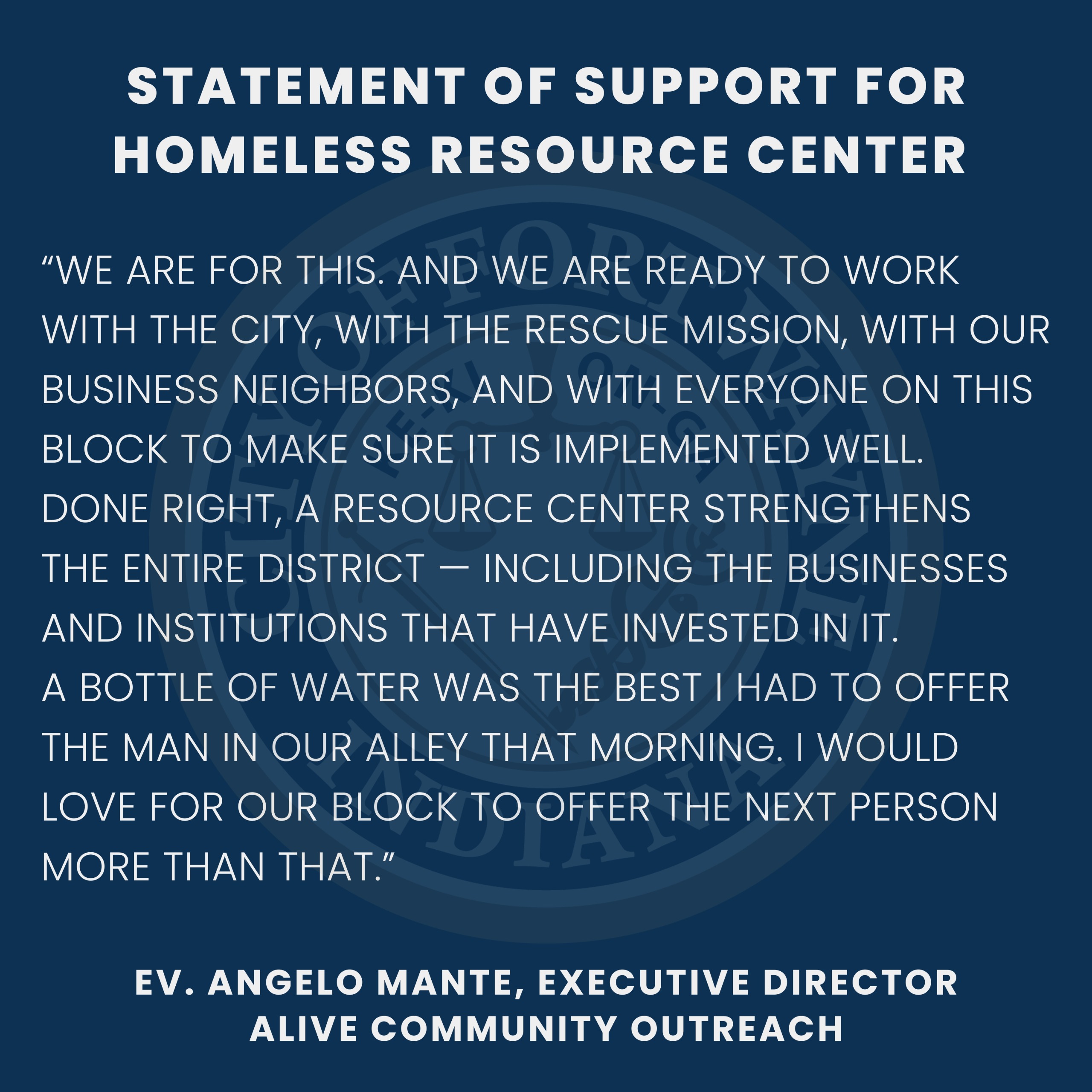
Statements of support
Image 1 of 8
FUNDERS
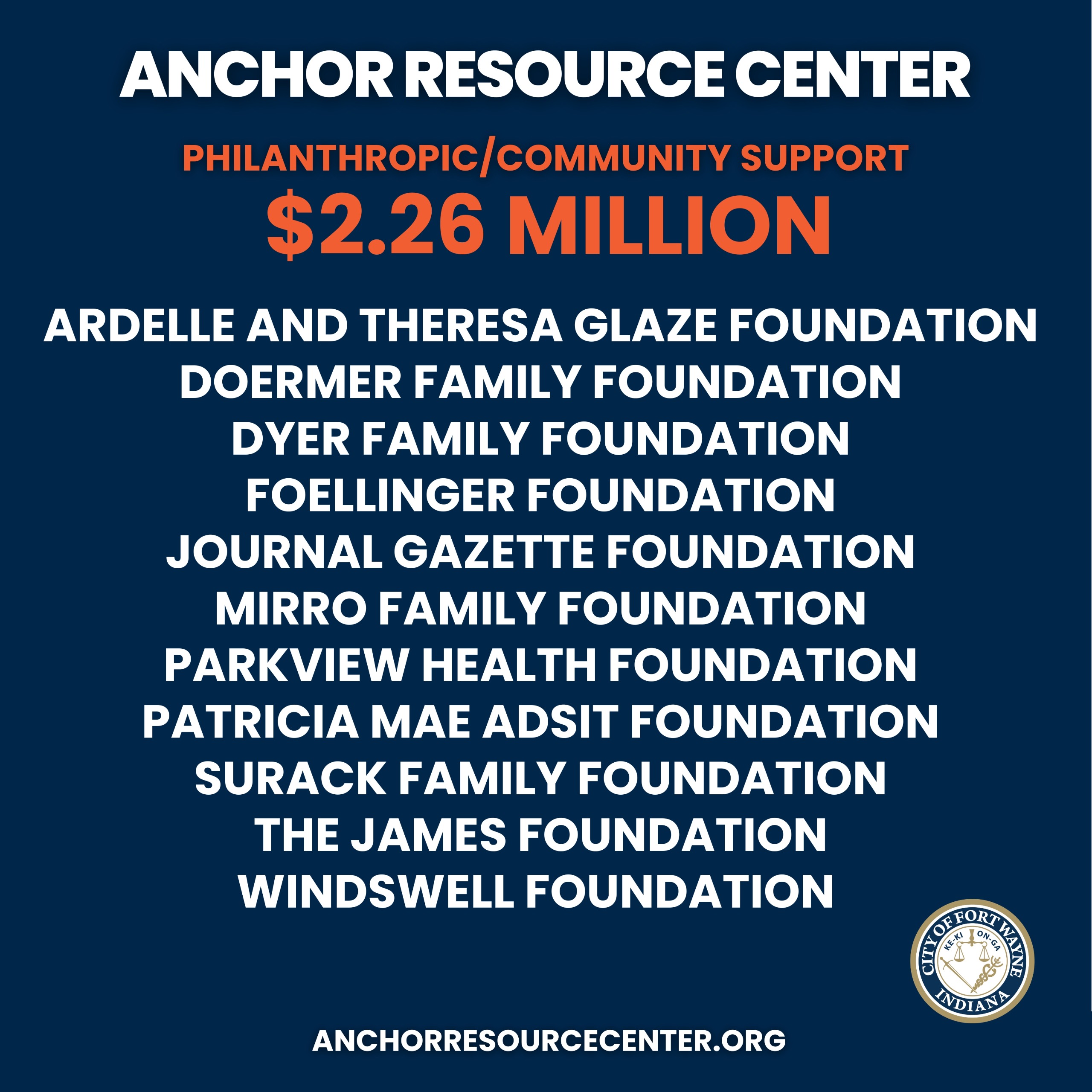
Philanthropic Partners
SERVICE PROVIDERS
Service Providers
Several organizations have committed to providing services at the center, including:
- Parkview Health,
- Parkview Behavioral Health Institute,
- Lutheran Health Network,
- Hope and Recovery Team (HART),
- Blue Jacket,
- Avenues Recovery, and
- Catholic Charities (conditionally committed to offer case management services).